Living
Thailand
Every Day
Thailand's culture is not a museum exhibit — it is alive in every temple bell, market stall, and family meal. Explore the traditions, customs, and everyday rhythms that define the Thai way of life.
77
Provinces
400+
Festivals
5
Regions
The Pillars of
Thai Culture
Thai culture is rooted in three foundational forces: Buddhism, the Monarchy, and the family unit. Together, these shape daily routines, festivals, social etiquette, art forms, and the unmistakable warmth that greets every visitor to the Kingdom.
From the predawn merit-making walks of monks collecting alms to the evening glow of jasmine garlands on spirit houses, the sacred and the everyday are woven inseparably together in Thailand.
Buddhism & Spirituality
Over 95% of Thais identify as Buddhist. Temples (wats) are the heartbeat of every village and city — places of worship, community gathering, and cultural education.
Monarchy & Nation
The Thai monarchy holds profound spiritual and cultural significance. Royal ceremonies, national holidays, and public art all reflect deep reverence for the institution.
Family & Community
Thai families often span multiple generations under one roof. Elders are deeply respected, communal meals are sacred rituals, and neighborhood bonds remain strong even in modern cities.
Thailand's Festival Timeline
A nation that celebrates with devotion. Each month brings a new reason to gather, pray, feast, and rejoice.
Children's Day
National celebration honouring Thai youth with free admission to government facilities, military displays, and festive activities nationwide.
Songkran
Thai New Year transforms streets into water-fight arenas. Sacred water pouring on Buddha images and elders' hands honors the past and cleanses for the year ahead.
Loy Krathong
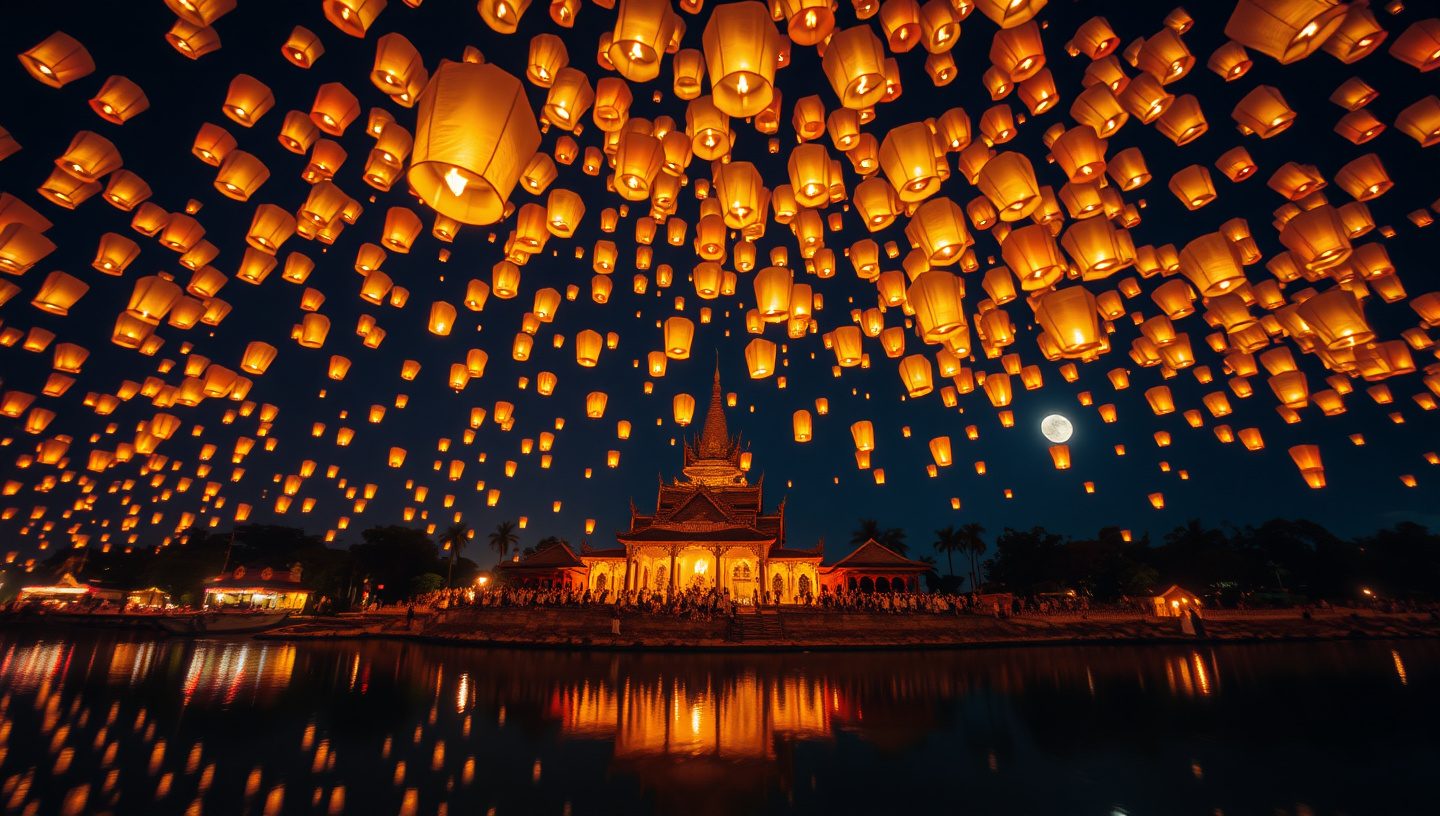
Candlelit banana-leaf floats drift along rivers as thousands of sky lanterns rise above Chiang Mai — one of the world's most breathtaking nocturnal spectacles.
Father's Day
Celebrated on December 5th, this national holiday honors fatherhood and is marked with yellow flowers (dok phut) and evening candlelight ceremonies across the country.
Festivals That Define a Nation
The Art of Celebration
in Thai Culture
Thai festivals are rarely just entertainment — they carry centuries of spiritual meaning. The act of releasing a krathong onto water is an offering of gratitude to the water goddess Phra Mae Khongkha and a symbolic release of grudges and bad luck.
Similarly, the light and fire of the Yi Peng lantern festival in northern Thailand connects participants to their ancestors — each flame a prayer rising toward the heavens.
13
Public holidays per year
3
UNESCO-listed traditions
A Day in
Thai Life
The pace of life in Thailand shifts beautifully between the contemplative and the celebratory. No two regions move alike — Bangkok buzzes 24 hours, while rural Isaan slows to the rhythm of rice cycles and temple bells.
Tak Bat — Alms Giving
Before the city wakes, monks in saffron robes walk barefoot through neighborhoods. Local residents place rice, fruits, and prepared food into monks' bowls — an act of merit-making that anchors the spiritual start of every Thai day.
Morning Markets & Street Food
Every Thai neighbourhood has its talad sot (fresh market). Vendors arrive before dawn to arrange pyramids of tropical fruit, fresh herbs, and steaming vats of jok (rice porridge). Breakfast is communal, fast, and deeply flavourful.
Sabai Sabai — The Midday Lull
"Sabai sabai" means relaxed and comfortable — a state Thais actively cultivate. The midday heat invites a slower pace: naps under ceiling fans, long lunches, and the art of not rushing. This deliberate ease is not laziness — it is cultural wisdom.
Night Markets & Evening Wai
As the sun sets, Thais gather at night markets, temple fairs, and family dinner tables. The day ends with the same grace it began — a respectful wai to elders, gratitude offered at the spirit house, and the scent of incense drifting through open doorways.
The Unwritten Rules
of Thai Respect
Understanding Thai social customs transforms a visitor into a genuine guest — and opens doors that never appear on any tourist map.
Master the Wai
Press palms together at chest level and bow slightly. The height of the hands and depth of the bow vary by social rank. Never wai to service staff first — it creates awkward imbalance.
Shoes Off at the Threshold
Remove footwear before entering homes, temples, and many traditional businesses. The feet are considered the lowest part of the body — spiritually and socially — so stepping over someone is a serious faux pas.
Maintain Jai Yen — Cool Heart
Public anger or raised voices cause enormous loss of face for all parties. "Jai yen" (cool heart) is the Thai ideal: respond to frustration with a calm smile. The person who loses composure always loses the situation.
Head is Sacred
Never touch anyone's head, even a child's, without permission. The head is considered the highest and most sacred part of the body, home to the individual's spirit (khwan). Patting heads affectionately is a Western habit that does not translate here.
Dress with Intention
Shoulders and knees should be covered at temples. White is worn for funerals, not weddings. Wearing mourning colours to a celebration signals a deep misunderstanding of Thai custom — colour choice communicates respect.
Gift-Giving Customs
Gifts are typically not opened immediately in front of the giver — doing so can seem greedy. Wrap gifts nicely; avoid dark wrapping paper. Fruit baskets, quality packaged foods, or flowers are always welcome and appropriate.
Five Regions,
Five Worlds
Thailand is not one culture — it is five distinct regional identities, each with its own dialect, cuisine, architecture, and ancestral pride.
| Region | Known For | Signature Food | Cultural Marker |
|---|---|---|---|
| Central Bangkok & Plains | Royal palaces, modern commerce, classical Thai dance, canal life | Pad Thai, Tom Yum Goong, Mango Sticky Rice | Khon masked dance theatre, Grand Palace ceremonies |
| North Chiang Mai & Hills | Hill tribes, teak temples, Yi Peng lanterns, handcraft traditions | Khao Soi, Sai Oua sausage, Sticky Rice | Lanna architecture, elephant sanctuaries, night bazaars |
| Northeast Isaan Region | Khmer ruins, vibrant local festivals, silk weaving, agricultural roots | Som Tum, Larb, Grilled Chicken | Phi Ta Khon ghost festival, Rocket Festival, Mor Lam music |
| East Eastern Seaboard | Gem mining history, tropical fruit orchards, coastal communities | Durian, Rambutan, Seafood BBQ | Pattaya festivals, Bang Saen beach culture, gem trade traditions |
| South Peninsula & Islands | Muslim heritage, rubber plantations, island ecosystems, seafaring culture | Massaman Curry, Roti, Grilled Seafood | Shadow puppet theatre (Nang Talung), longboat races |
Traditional Arts
Still Alive
In an age of digital everything, Thailand's traditional arts remain living practices — not relics. Master artisans in royal craft workshops still produce lacquerware, nielloware, and mother-of-pearl inlay using techniques passed down through royal patronage for centuries.
Classical Thai dance (Khon) was inscribed on UNESCO's Intangible Cultural Heritage list in 2018. Young performers train for years to master the precise finger angles, eye movements, and costume symbolism that turn a dancer's body into a storytelling instrument.
Muay Thai
Ancient martial art now recognized as national heritage and global sport
Classical Music
The piphat ensemble uses xylophones, oboes, and percussion in temple ceremonies
Silk Weaving
Jim Thompson revived Thai silk internationally — village weavers still create extraordinary patterns
Flower Garlands
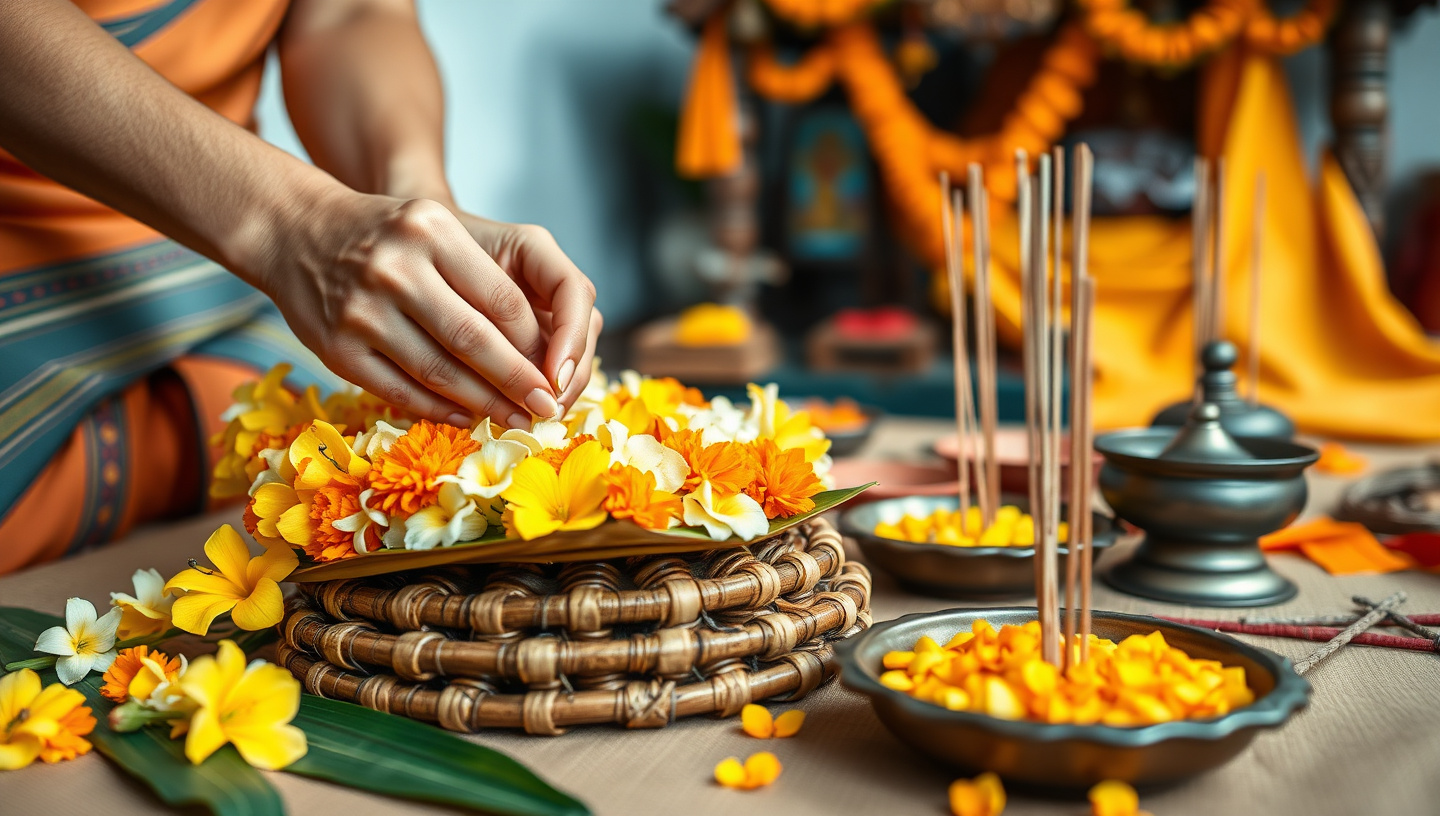
Phuang malai (jasmine garlands) are offered at shrines and given to honoured guests
Recognized by
UNESCO
Intangible Heritage
Thai Food is
Not a Meal — It's a Conversation
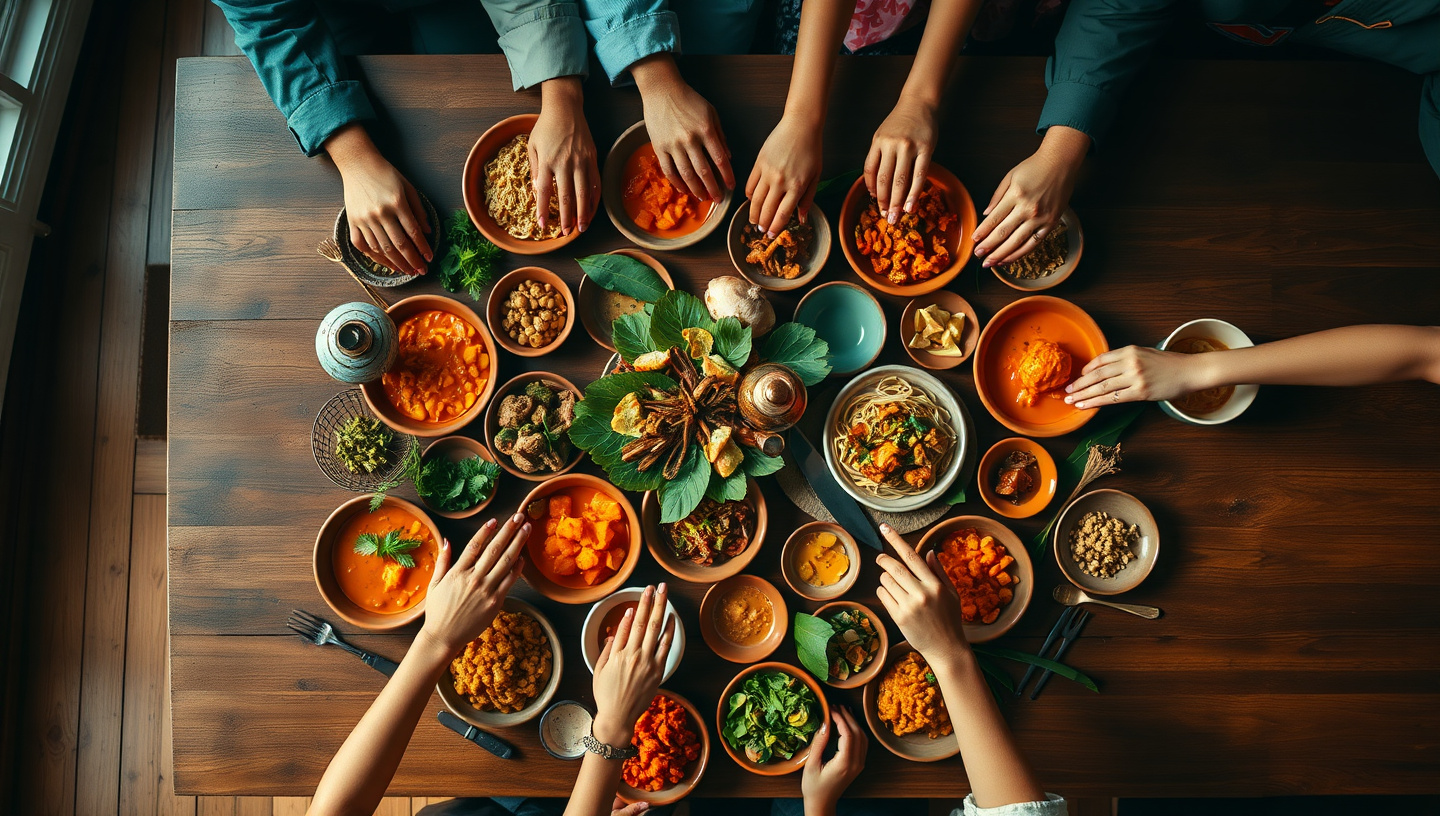
Thai cuisine is architecture. Every dish is designed around the balance of five flavours — salty, sweet, sour, spicy, and bitter — and the texture contrast between creamy and crunchy, soft and firm. Eating alone is rare; sharing many dishes is the norm.
Street Food Nation
Bangkok's street food scene was recognized by Michelin — push-cart vendors have refined single dishes for generations. Jay Fai's crab omelette took 40 years to perfect.
Ritual & Offering
Food is offered at spirit houses every morning — sticky rice, red fanta, and incense. To Thai people, feeding the spiritual world is as natural as feeding the physical one.
Market Ecosystem
Fresh markets open at 4am. Wet markets, flower markets, floating markets — each plays a specific social role where vendors and buyers maintain relationships across decades.
Royal Cuisine
Meticulous palace cooking traditions — including carved vegetable garnishes and flower-shaped steamed desserts — elevated Thai food into an art form and influenced restaurant cuisine nationwide.
Why We Write
About Thai Life
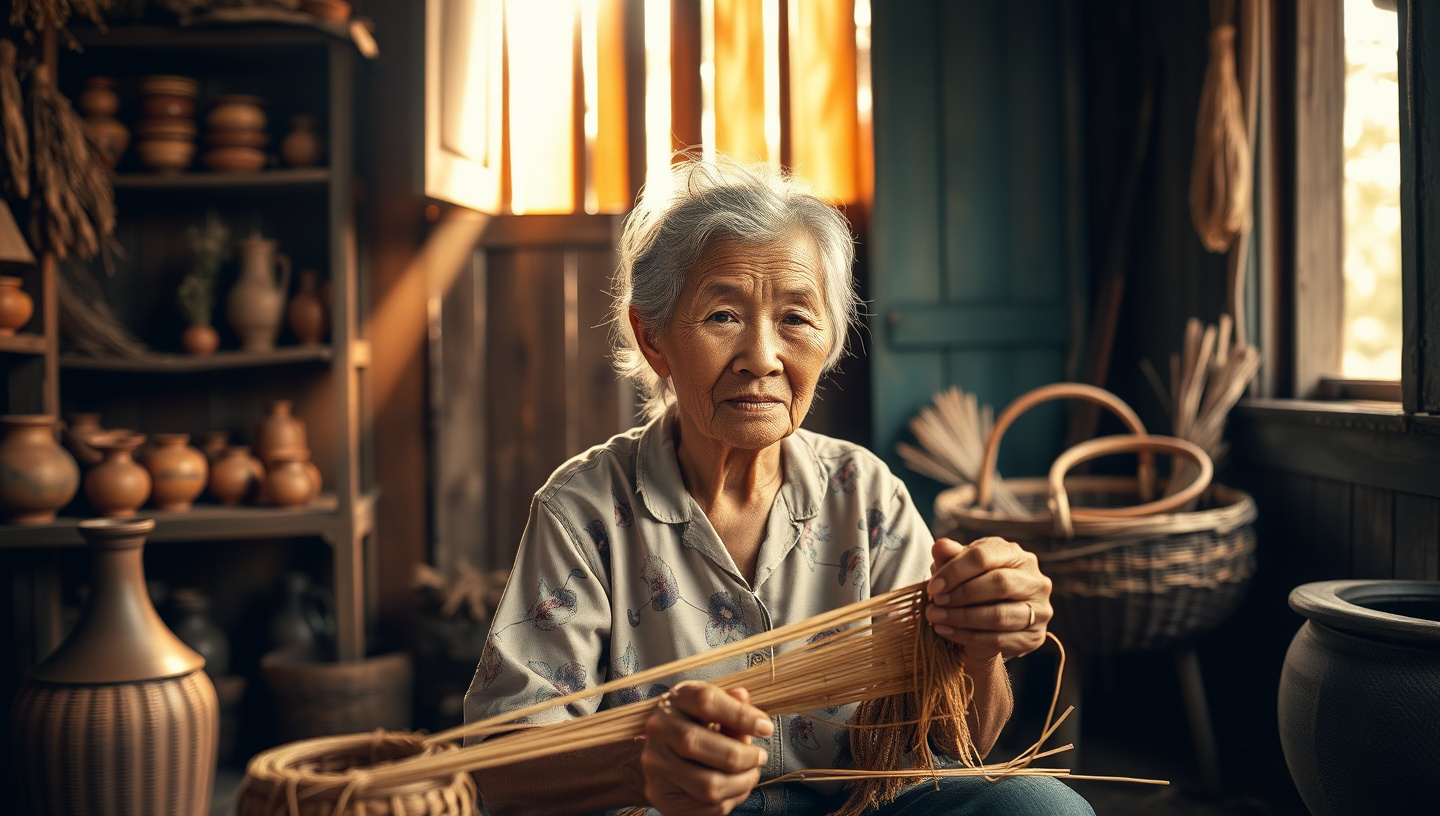
At Daily Life TH, we believe that truly understanding Thailand means going beyond the postcard. It means learning why monks wake before dawn, why red is the colour of celebration, and why a plastic bag of street mango can move a food critic to tears.
Our writers live across Thailand's regions — from Chiang Rai to Pattani — bringing you ground-level perspectives on a culture that is ancient, adaptive, and endlessly alive.
Ready to Experience
Thai Culture Firsthand?
Whether you're planning a journey across Thailand or simply want to understand the world's most welcoming culture, Daily Life TH has guides, stories, and local insights waiting for you.